Previous Findings
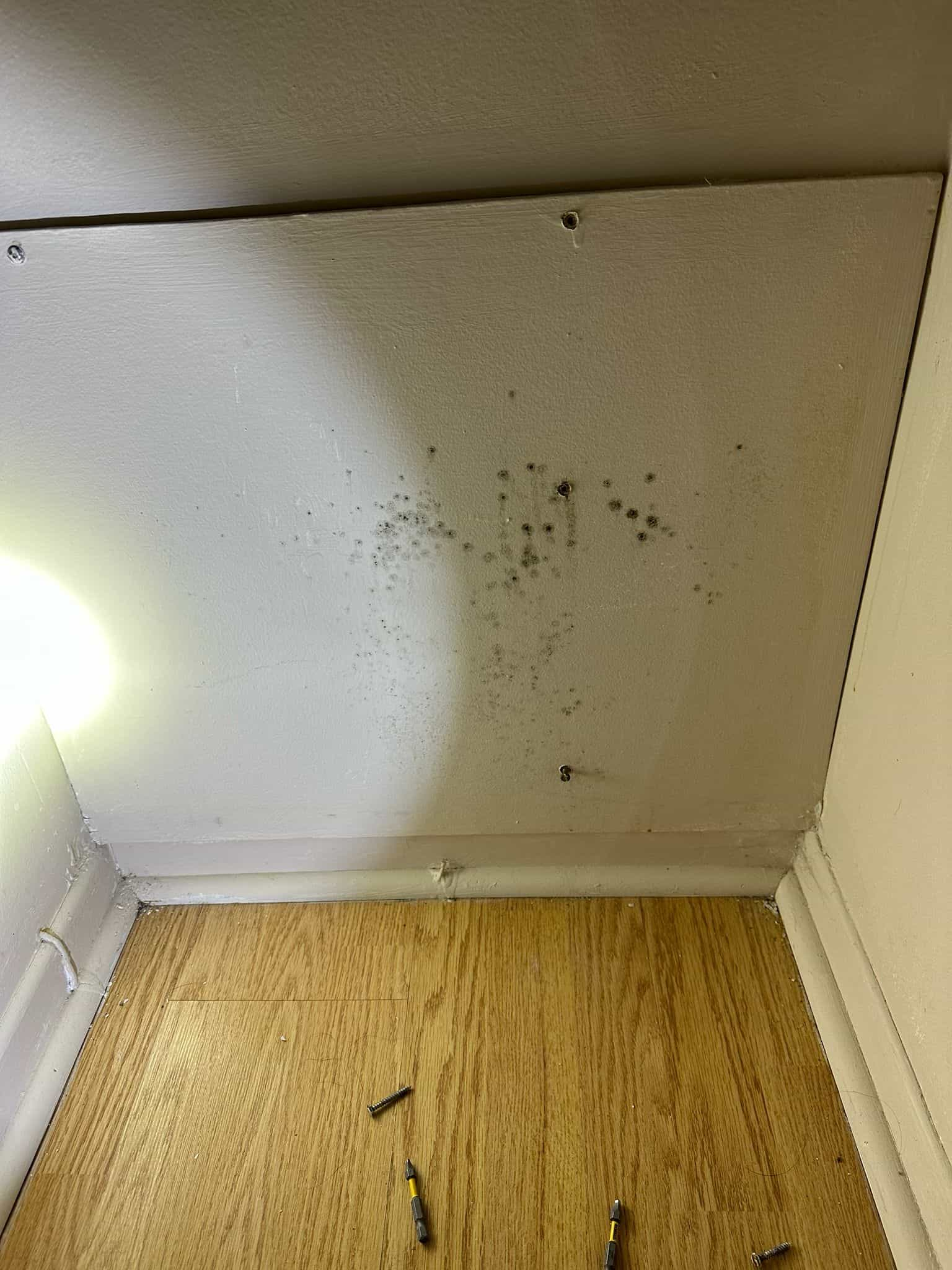
Real interior defects and conditions documented during home inspections across Ottawa and surrounding areas — including thermal imaging on every inspection to help flag possible hidden moisture.
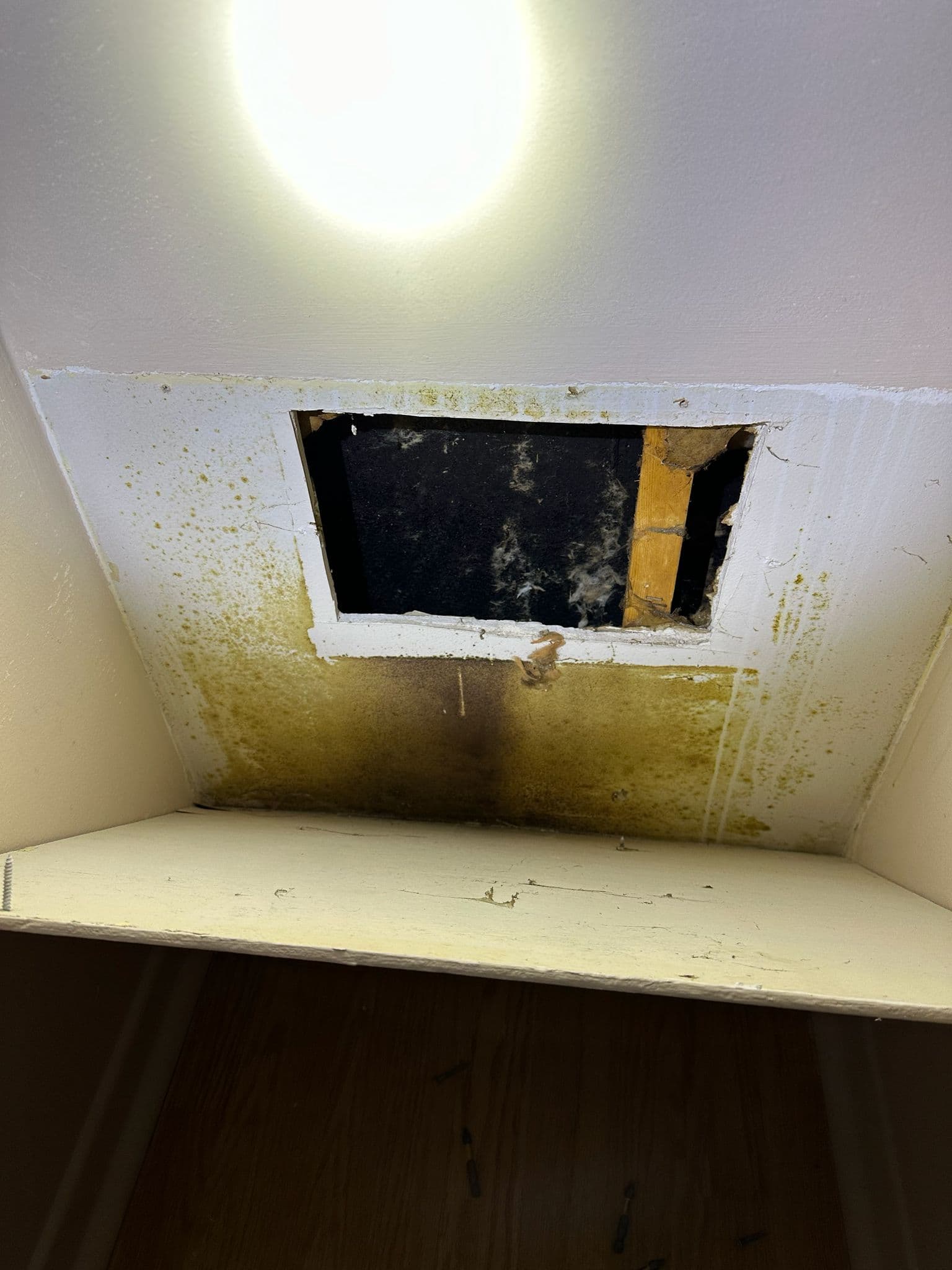
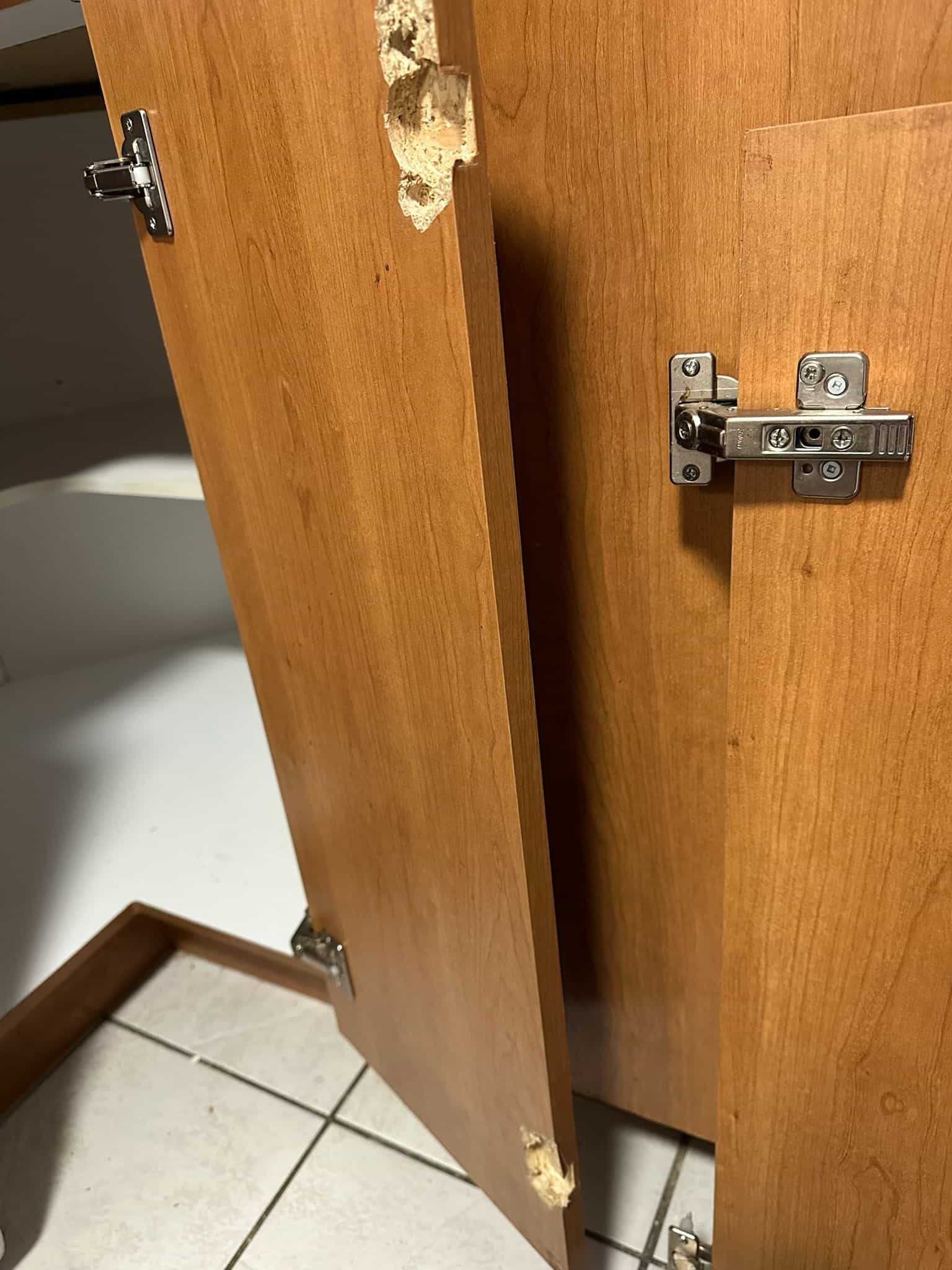
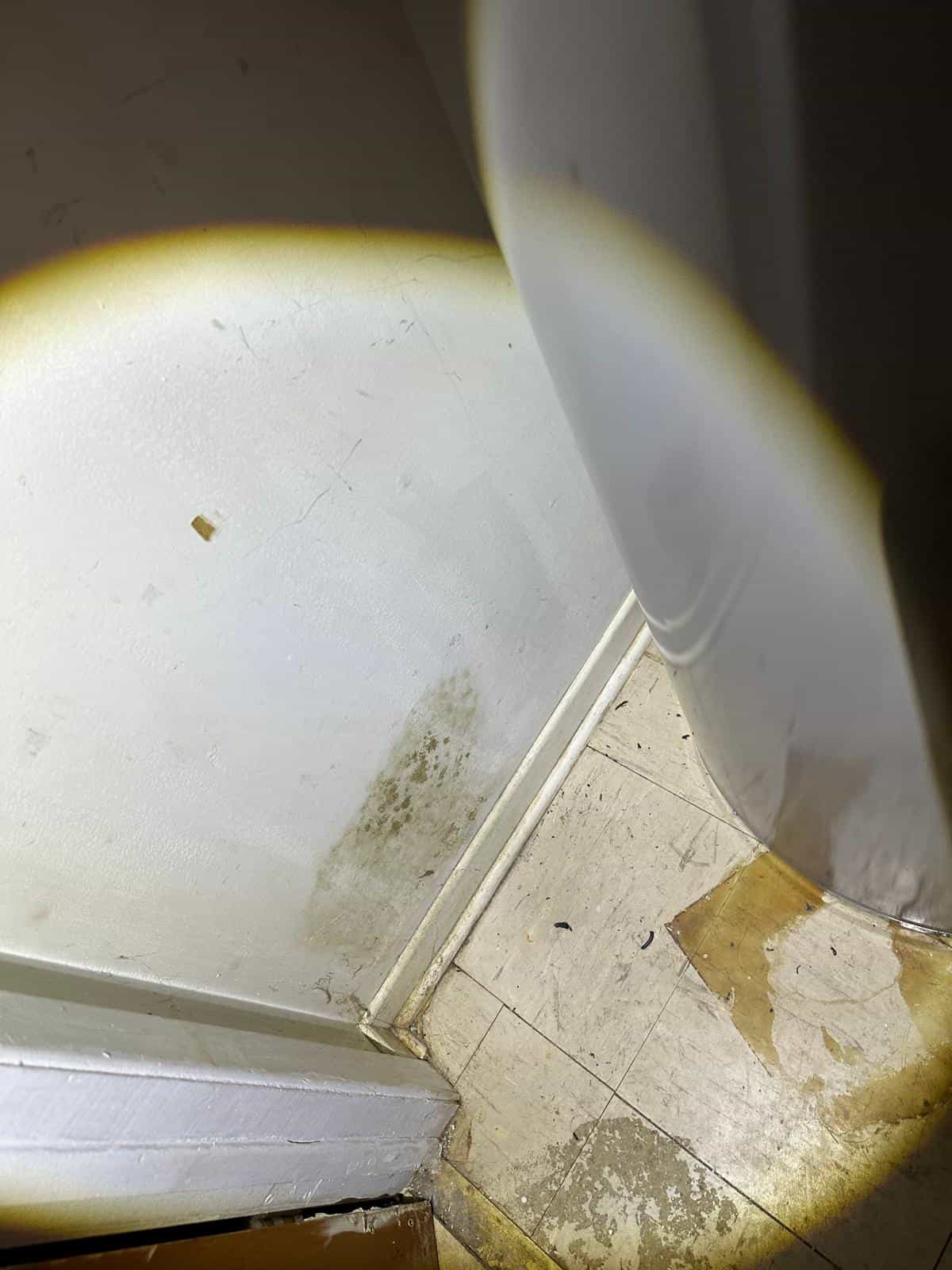
Interior findings often tell the story of how a home has been maintained. Water staining, soft floors, and failed window seals may be visible clues to larger underlying issues. A thorough interior assessment during a home inspection — combined with thermal imaging — helps buyers distinguish between cosmetic deficiencies and conditions that indicate ongoing problems.
Inside the house, we're looking for two things: safety issues, and clues that point to problems elsewhere. A ceiling stain can point to a roof or plumbing leak, a sticking door or a sloping floor can point to structural movement, and fresh paint in a basement can be covering something. The interior is where many hidden problems first show themselves.
Ceiling stains under a bathroom or near an outside wall can mean a plumbing leak, a roof leak or an ice dam. Cracks above door frames and doors or windows that stick can mean the structure has moved. Sloping floors may be normal settling in an older home, or a sign of something more serious when they appear with other symptoms. Fogging between window panes means a failed seal. And fresh paint on an otherwise tired basement wall is worth a closer look. We connect these clues to what we find in the attic, the basement and outside.
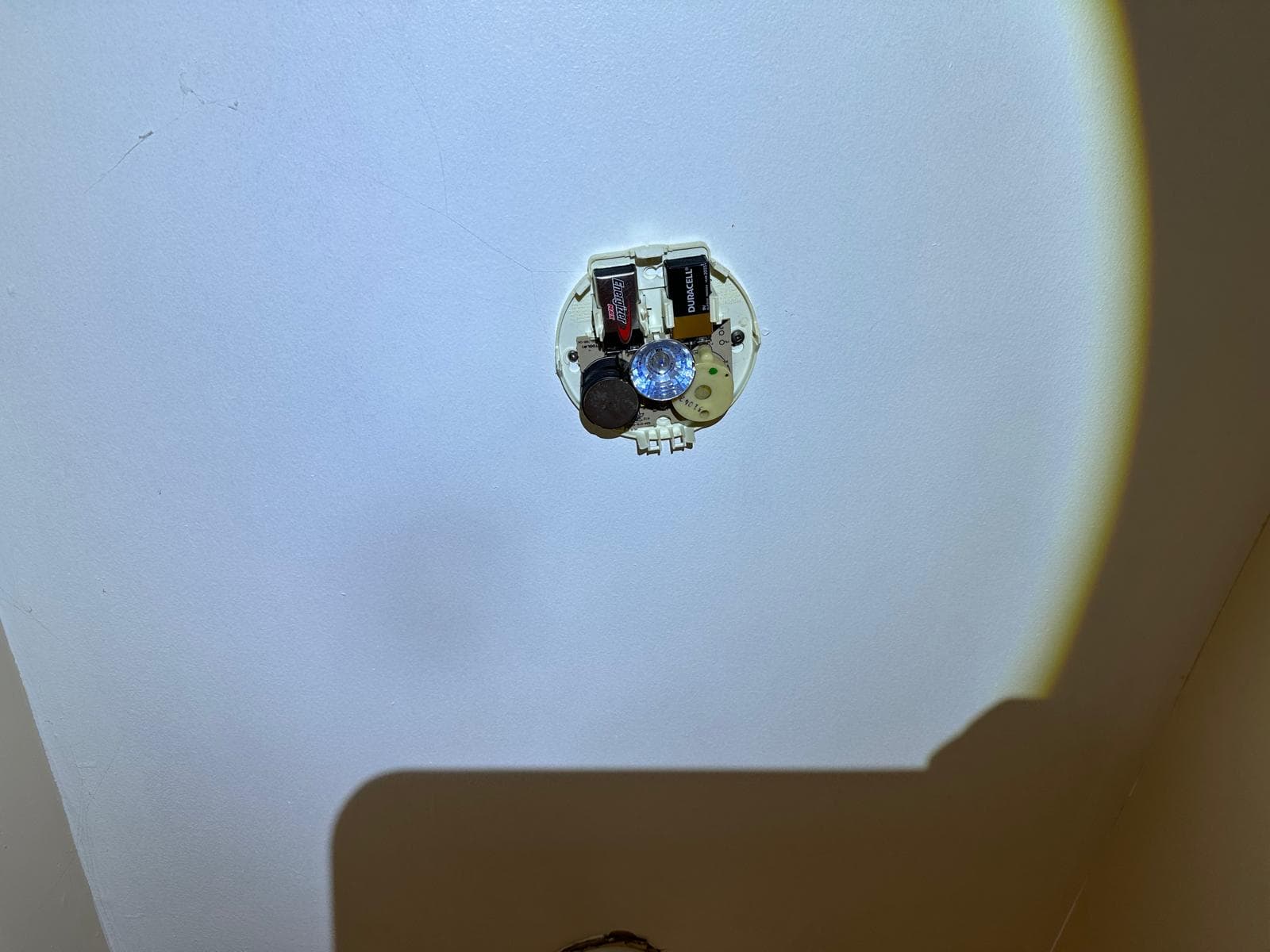
Ontario requires working smoke alarms on every storey and outside sleeping areas, and carbon monoxide alarms near sleeping areas in homes with a fuel-burning appliance, a fireplace or an attached garage. We note whether alarms appear to be present where they should be and recommend testing and replacing them based on age. We also flag loose or missing handrails, low guards and other trip and fall hazards.
Most are minor, caused by normal shrinkage and seasonal movement. Patterns matter: diagonal cracks from the corners of doors and windows, cracks that keep coming back after repair, or cracks together with sticking doors and sloping floors are worth a closer look.
It means the seal on a double- or triple-pane window has failed and the insulating gas has escaped. It's not a structural problem, but the glass unit usually needs replacing to restore its efficiency and clear view.
We note whether alarms appear to be present in the locations Ontario requires and recommend testing and replacing them based on their age. Working alarms are required, so it's an easy item to fix before you move in.
Because new paint on an older basement wall can cover water stains or efflorescence from past leaks. We look closely at those areas and use a moisture meter where something seems off.
Read more: what to expect during a home inspection in Ottawa · how sloping floors and sticking doors pointed to structural movement in Vanier. The interior is part of every pre-purchase home inspection in Ottawa.
Every Ottawa home inspection includes thermal imaging throughout the interior, which can flag surface temperature differences that may point to hidden moisture a visual check alone could miss. Same-day report.
Book Your Inspection