Previous Findings
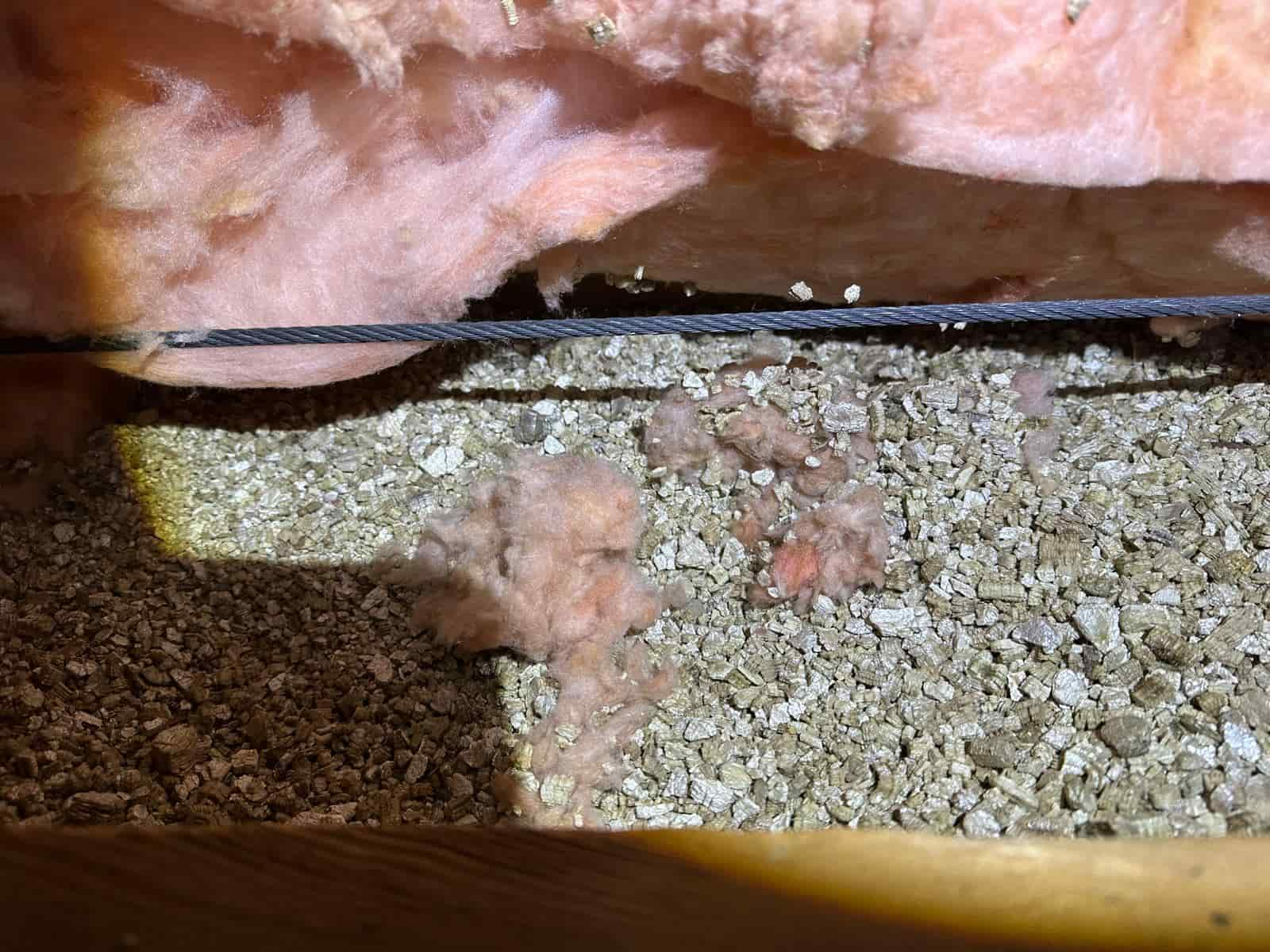
Real insulation defects and issues documented during home inspections across Ottawa and surrounding areas — part of every pre-purchase inspection we conduct.
Proper insulation is critical for energy efficiency and comfort in Ottawa's cold climate. Inadequate insulation leads to high heating bills, ice damming, and moisture problems. During a home inspection, we assess insulation type, depth, and condition — and flag potential asbestos-containing materials in older Ottawa homes for further testing.
Insulation affects how comfortable a home is, what it costs to heat, and whether moisture becomes a problem. During an inspection we check attic insulation depth and type, look at visible basement wall insulation, and use thermal imaging to find gaps and air leaks that you can't see with the naked eye.
A thermal camera shows surface temperature differences. On a cold day, missing or settled insulation shows up as cold patches on walls and ceilings, and air leaks show up as streaks around windows, doors and outlets. Thermal imaging works best when there's a real temperature difference between inside and outside, so results are clearest in Ottawa's heating season. It doesn't see inside walls, but it gives strong clues about where insulation is missing or where air is getting in.
Finished basements often have insulation against the foundation wall with a plastic vapour barrier over it. If the foundation lets moisture through, that assembly can trap it against the wall, out of sight. We look for staining, efflorescence, musty smells and soft drywall at the base of finished walls, and use thermal imaging and a moisture meter where we have concerns.
More insulation isn't always the answer. In many Ottawa homes, sealing air leaks into the attic does more for comfort and ice-dam prevention than adding insulation on top. We'll point out both, so you can prioritize.
Not directly, because a home inspection is non-invasive. Thermal imaging gives strong clues, though: cold patches and streaks on a cold day usually point to missing or settled insulation or air leaks.
UFFI is urea-formaldehyde foam insulation, installed in some homes in the 1970s and banned in Canada in 1980. Most of it has long since stopped off-gassing, but some buyers, lenders and insurers still ask about it, so it's worth knowing if a home has it.
Some vermiculite contained asbestos. It's generally considered lower risk when left undisturbed, and Health Canada advises having it tested by a qualified professional before any work that would disturb it.
It can help, but air sealing and ventilation usually matter more. Ice dams form when warm air from the house heats the roof deck and melts snow, so stopping that warm air from reaching the attic is the key.
Read more: ice damming and R-values · attic and ventilation inspection · basement moisture and drainage. Insulation is checked in every pre-purchase home inspection and new build home inspection in Ottawa.
Every home inspection includes an insulation assessment — R-value adequacy, vapour barriers, potential asbestos-containing materials, and heat loss points. Same-day report.
Book Your Inspection