Previous Findings


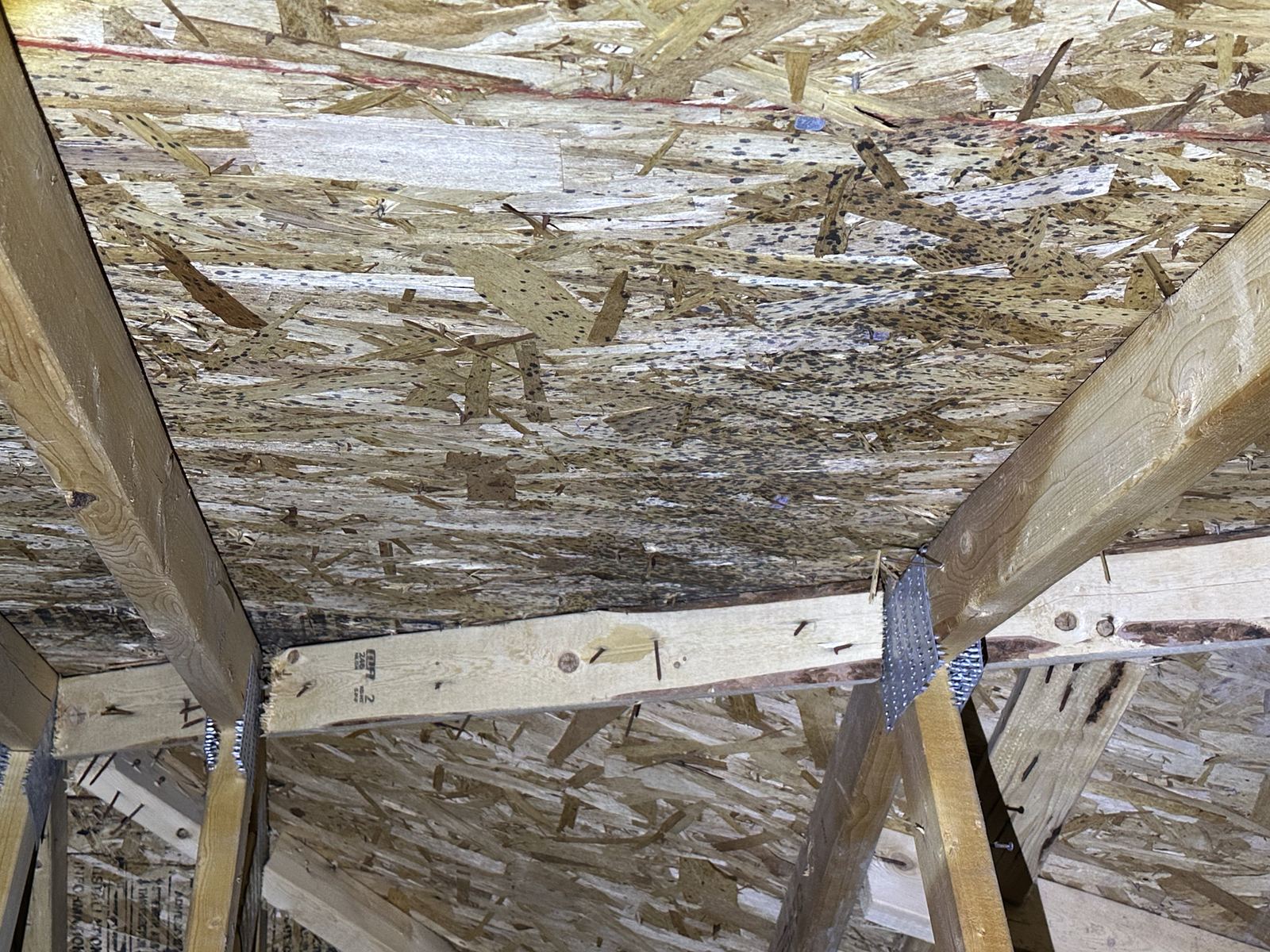
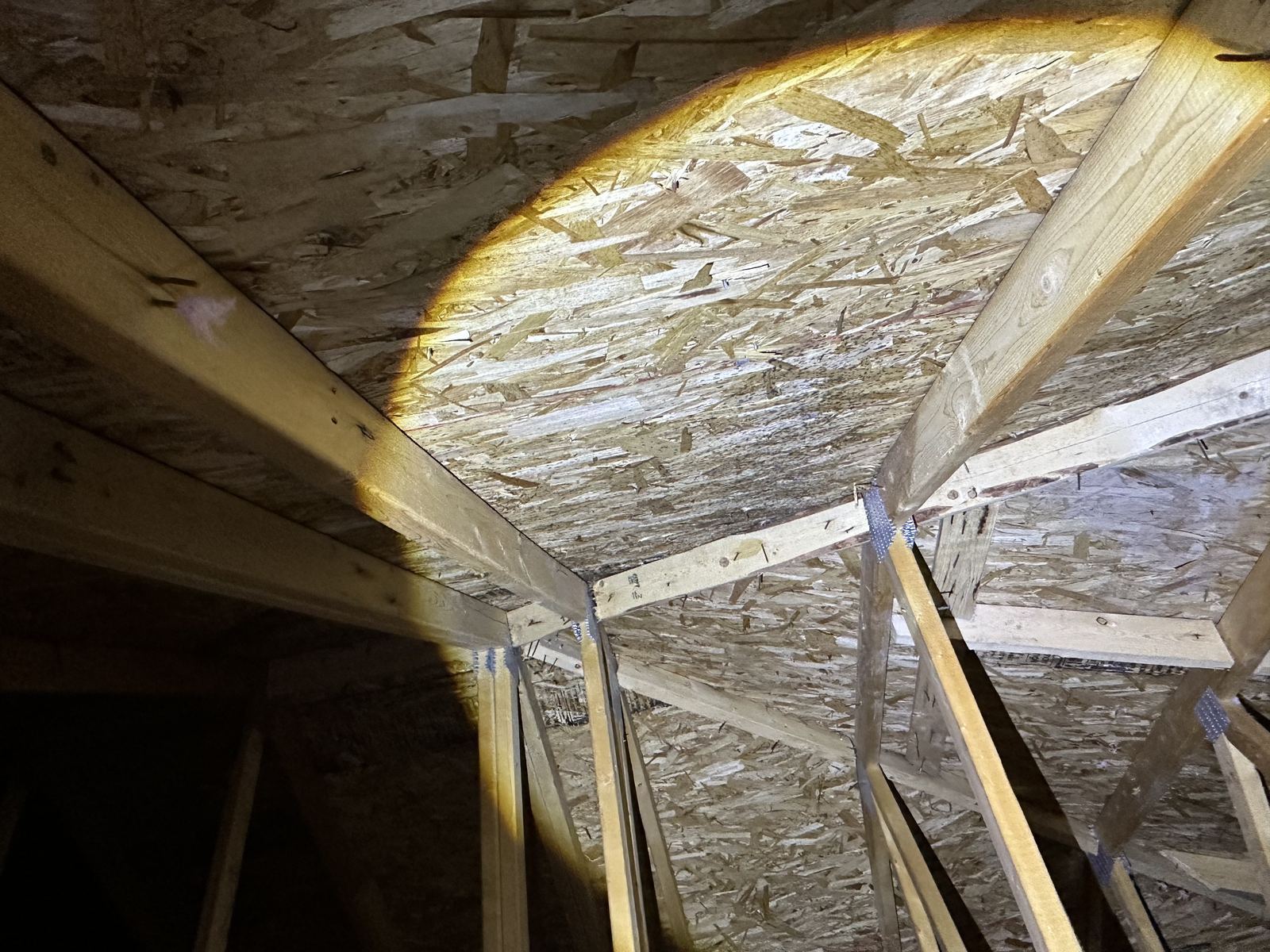
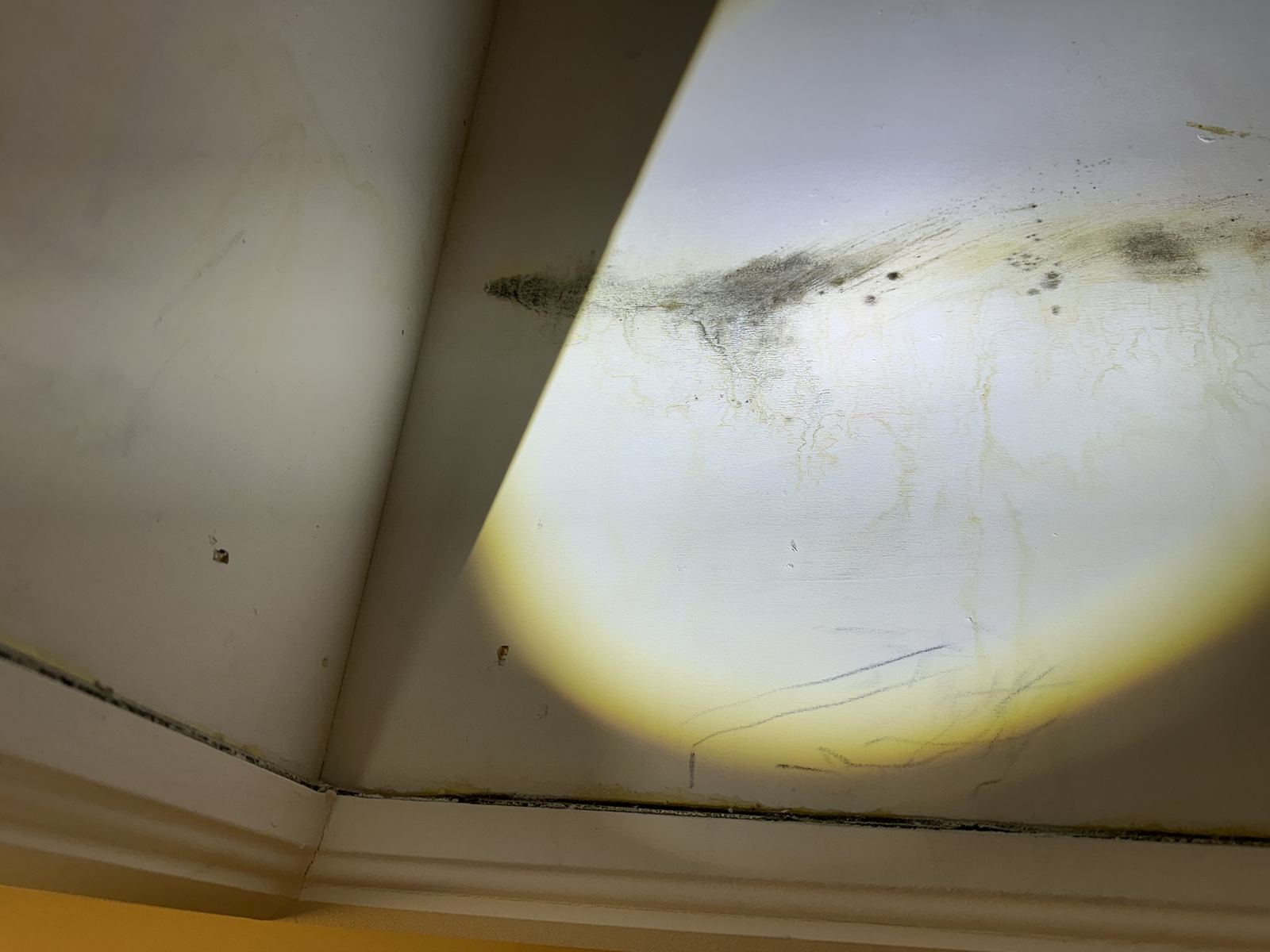
Real attic defects, moisture damage, insulation issues, and ventilation failures documented during home inspections across Ottawa — part of every pre-purchase inspection we conduct.
Attic issues are among the most common findings in Ottawa home inspections — and among the most misunderstood by buyers. Poor ventilation and insulation directly cause ice damming, elevated heating bills, and mould growth. What looks like a minor attic problem can mask thousands of dollars in damage that only becomes visible after closing.
An attic inspection shows how well a home handles heat, air and moisture. In Ottawa, thin insulation, poor ventilation and warm air leaking up from the house are the main causes of ice dams, winter frost on the underside of the roof deck, and mold on the sheathing. These problems are usually invisible from inside the house, which is why the attic is one of the most important spaces we check.
Where it's safe and accessible, we enter the attic and look at the insulation, ventilation, roof sheathing and framing up close. If the hatch is sealed, blocked or too small, or the insulation is too deep to walk on safely, we inspect from the hatch and note that limitation in your report. We also use thermal imaging from the living space to spot cold ceilings and missing insulation, and a moisture meter on any staining we find.
In winter, warm, moist air from the house rises through gaps around pot lights, plumbing stacks, wiring holes, the attic hatch and the tops of interior walls. When it reaches the cold roof deck, it can condense or freeze. Come spring, that frost melts and soaks the sheathing and insulation. Over a few seasons this can lead to staining, mold and rusted nails.
Good attic ventilation, with air coming in at the soffits and leaving near the ridge, helps carry that moisture out. It only works if the soffit vents aren't buried under insulation, which is why we look for baffles at the eaves. Air sealing matters just as much: stopping warm air from getting into the attic in the first place is usually the most effective fix.
Some older homes have vermiculite insulation, a loose, pebble-like material that's grey-brown or silver-gold. Some vermiculite sold in Canada contained asbestos. Health Canada advises leaving it undisturbed and having it tested by a qualified professional before any renovation work in the attic. If we see suspected vermiculite, we'll flag it in your report. We don't test it, but we'll tell you what to do next.
Yes, whenever it's safe and accessible. If the hatch is sealed, blocked or too small, or the insulation is too deep to walk on safely, we inspect from the hatch and note the limitation in your report.
Usually warm, moist air leaking up from the house through gaps around lights, stacks and the hatch, combined with ventilation that can't carry the moisture away. The frost melts in spring and can stain or rot the sheathing.
Not always. It depends on how widespread it is and what's causing it. Fixing the cause, usually air leaks, exhaust ducts venting into the attic or blocked ventilation, comes first. Larger areas should be assessed by a mold remediation specialist.
Many older Ottawa homes have far less insulation than today's building code requires for new homes. We measure the depth and note the type, and flag areas that are thin, uneven or compressed, so you know whether topping it up should be on your list.
Read more: ice damming and R-values in Ottawa attics · insulation inspection · roof inspection. The attic is part of every pre-purchase home inspection in Ottawa and every new build home inspection.
Every Ottawa home inspection includes a full attic assessment — insulation levels, ventilation, moisture staining, and structural condition. Same-day report with photos.
Book Your Inspection