Previous Findings


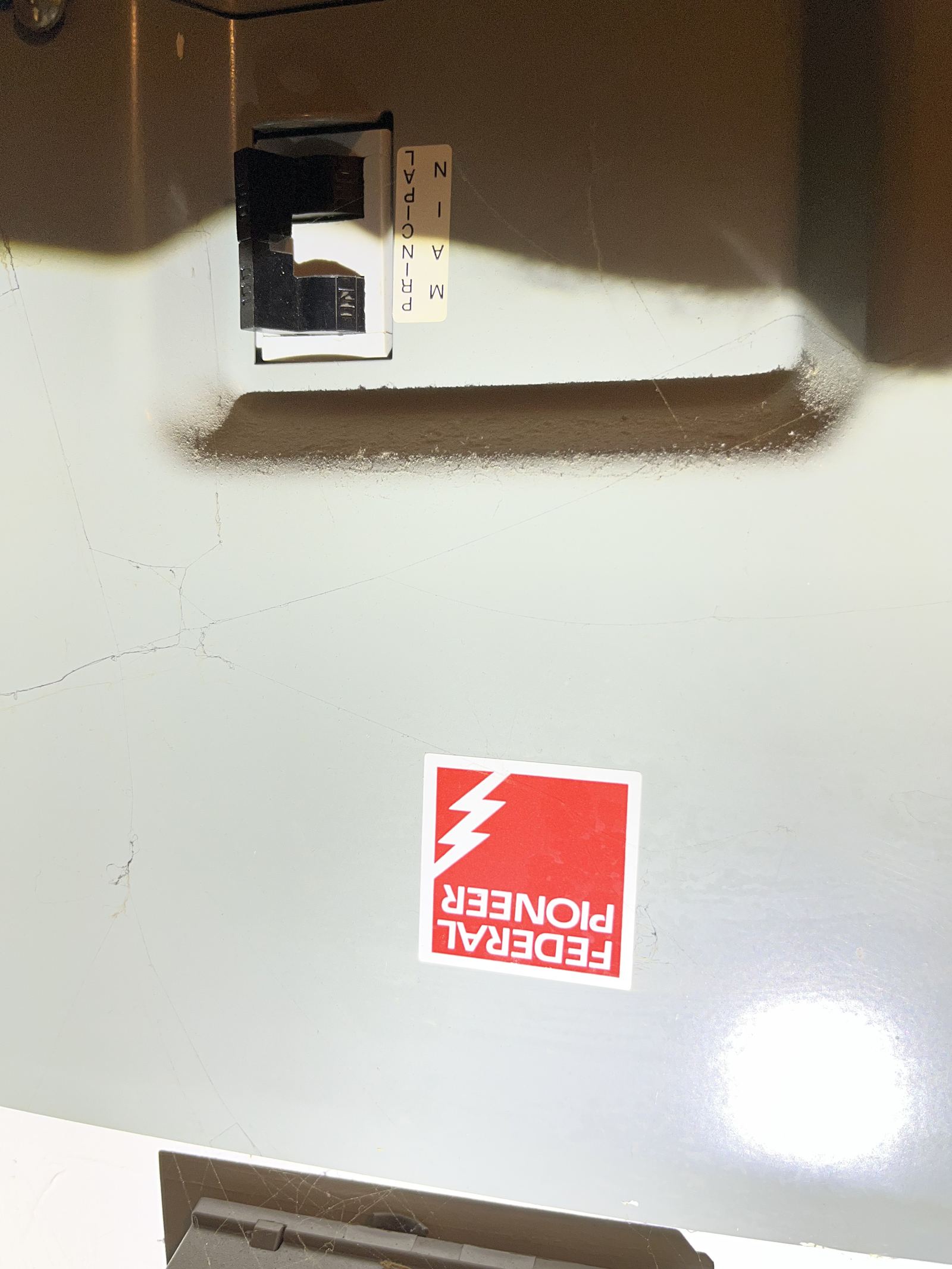
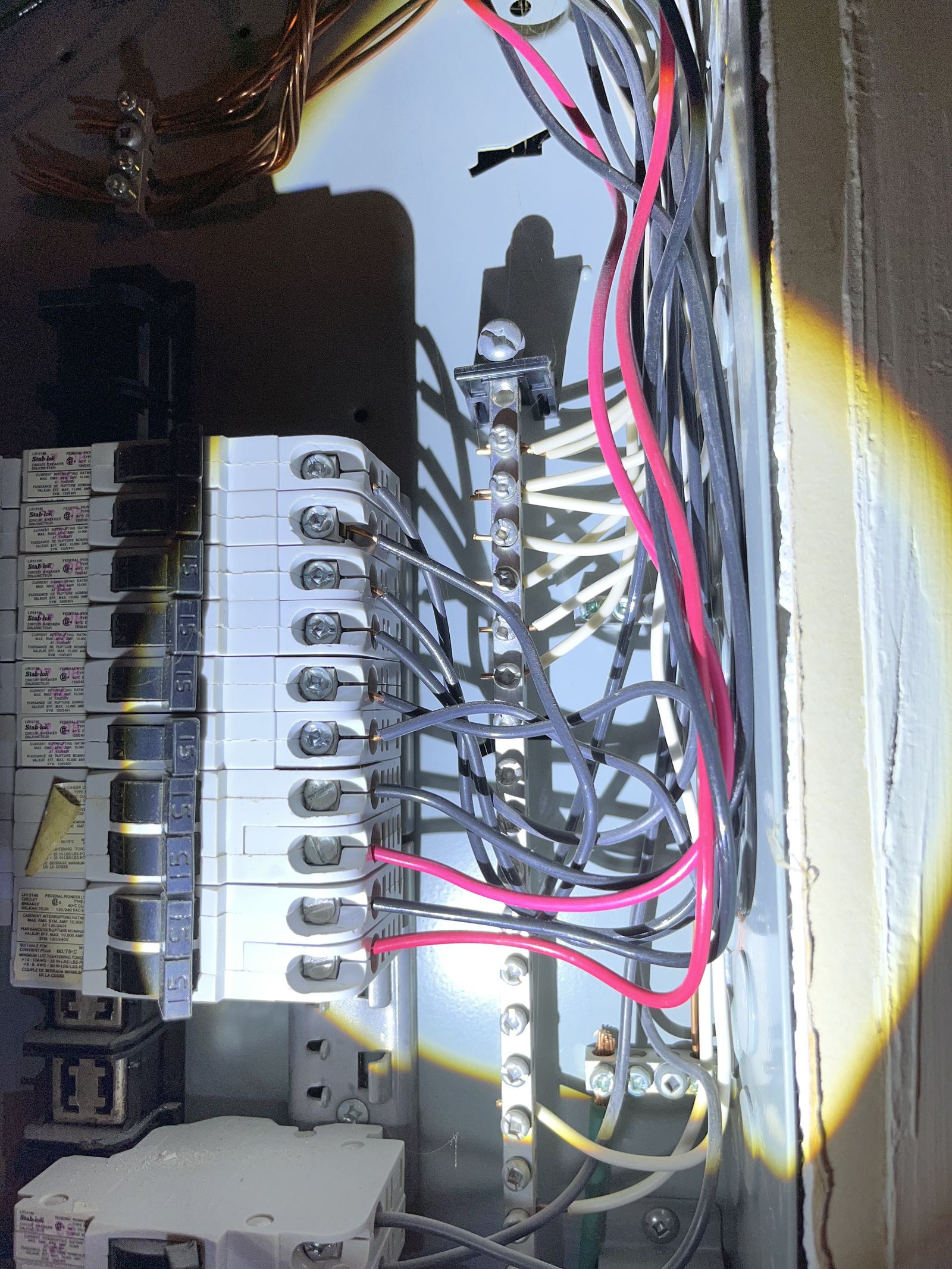
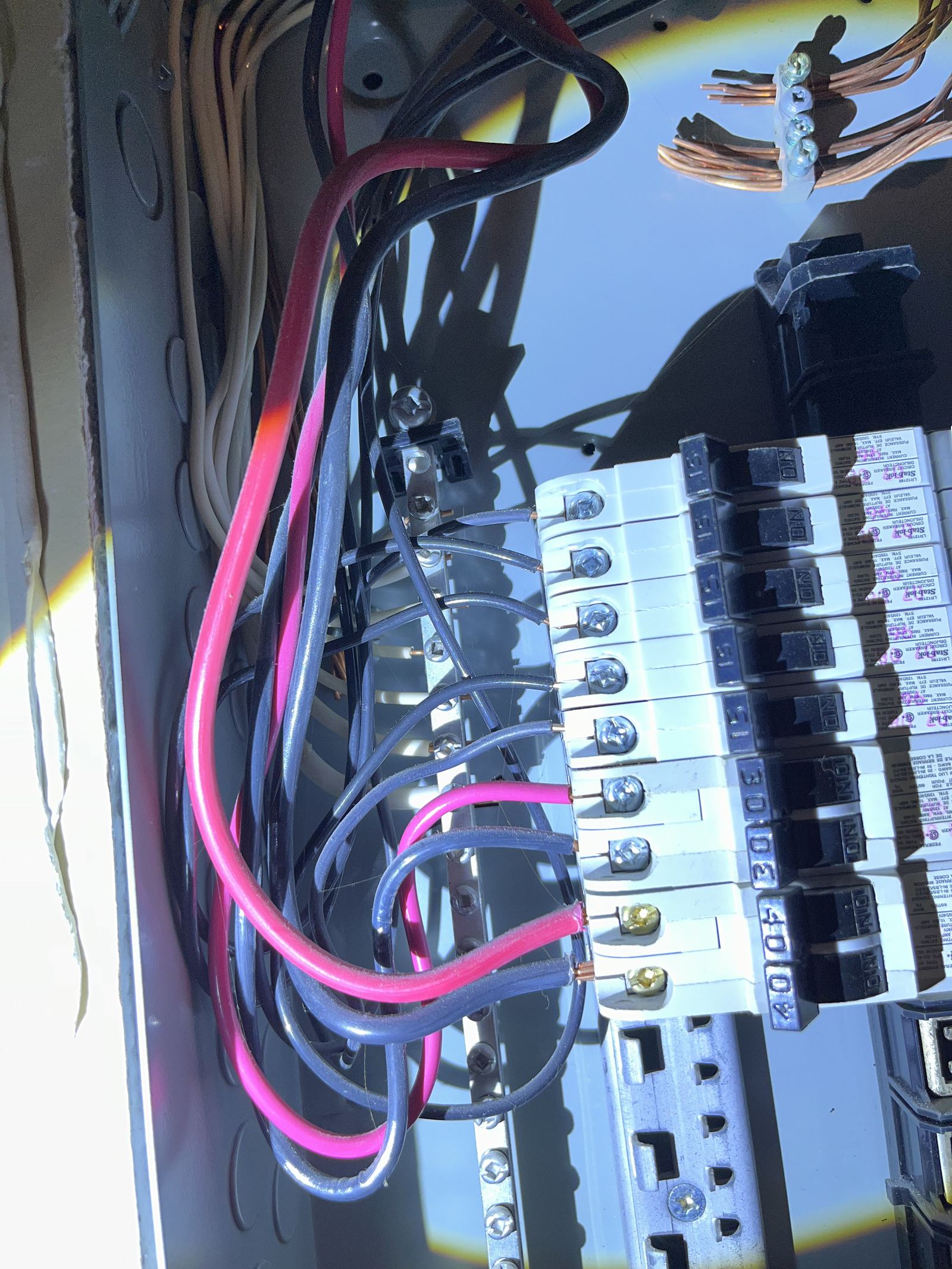
Real electrical defects and safety hazards documented during home inspections across Ottawa and surrounding areas — part of every pre-purchase inspection we conduct.
Electrical defects are the leading cause of residential fires in Canada. Many Ottawa homes built before 1980 have outdated wiring systems that require professional assessment. These issues are not always visible to buyers during a walkthrough — they are consistently identified during a thorough home inspection.
The electrical part of a home inspection looks for safety hazards and capacity limits. In older Ottawa homes, that often means identifying knob-and-tube wiring, aluminum branch wiring, Federal Pioneer Stab-Lok panels or a small 60 or 100 amp service — things insurers commonly ask about, and things that are much better to know before you buy.
A home inspection is a visual, non-invasive assessment. Where it's safe, we remove the main panel cover to look at the wiring, breakers and connections inside. We check the service size, grounding and bonding, whether breakers match the wire they protect, and visible wiring in the basement, attic and garage. We test a representative number of outlets for polarity and grounding, and check that GFCI protection is in place near water.
In Ontario, electrical work is regulated by the Electrical Safety Authority (ESA), and repairs should be done by a licensed electrical contractor. When we find a safety concern, we recommend an electrician evaluate it before closing.
Often, yes. Many insurers ask about knob-and-tube wiring, and some won't insure a home where it's still active, or will only do so after it's replaced. Check with your insurer before you waive your conditions.
It can be, when connections are made with compatible devices or properly repaired by a licensed electrician. The risk is at the connections, which can overheat. We flag it so you can have it evaluated, and your insurer may ask for proof that it was.
Federal Pioneer Stab-Lok panels are common in older Ottawa homes. Some insurers ask about them or want them replaced. We note the panel type and condition and recommend a licensed electrician evaluate it.
Yes, where it's safe to do so. We remove the main panel cover to look at the wiring, breakers and connections inside, and note anything that needs an electrician's attention.
Yes, visually. We look at the main panel and breakers or fuses, the type of panel, the type of wiring where it's visible, a sample of outlets with a tester for grounding, polarity and GFCI protection, and visible hazards such as open junction boxes or amateur wiring. In the panel we also look for signs of overheating and improper connections, which are more common than people think. A home inspection isn't an Electrical Safety Authority (ESA) inspection, and when we see a concern, we recommend a licensed electrician evaluate it.
Most homes have a breaker panel, typically 100 or 200 amps in newer houses. Older Ottawa homes may still have a fuse panel or a 60-amp service, and some have older panel brands that insurers ask about, such as Federal Pioneer Stab-Lok. We note the panel type, its approximate capacity where labelled and its visible condition in the report, and check for signs of overheating or other risk factors where possible.
Electrical is part of every pre-purchase home inspection in Ottawa. Buying an older home? Read what to know before buying an older home in Nepean.
Every home inspection in Ottawa includes a full electrical assessment — panel, wiring type, GFCI protection, and outlet testing. Same-day report delivery.
Book Your Inspection