The plumbing red flags that tend to cost Ottawa buyers the most are problem pipe materials like Poly-B, Kitec, galvanized steel and lead service lines, signs of past or active leaks, an aging water heater, poor pressure or slow drains, and amateur plumbing work. During a pre-purchase inspection of a 1990s condo in downtown Ottawa, we found grey Poly-B supply piping, and documenting it gave our buyers more than $10,000 in negotiating leverage.
Plumbing problems are easy to miss on a showing because the fixtures work and the finishes look good. The issues that matter are often in the pipe material, the age of the system and the small signs of past water. In this 1990s downtown Ottawa condo, the water supply lines were grey Poly-B, a pipe known for leaking at the joints, insurance complications and a five-figure replacement cost. Because it was documented in the inspection report with clear photos, the buyers went back to the table with real numbers: more than $10,000 in negotiating leverage, which they used.
What We Found in a 1990s Downtown Ottawa Condo
This was a pre-purchase inspection of a condo unit in a downtown Ottawa building from the 1990s. That build date is exactly why we pay close attention to the plumbing. The 1990s were the tail end of the Poly-B era in Canada, and the supply piping in a unit from that decade is one of the first things we want to see with our own eyes.
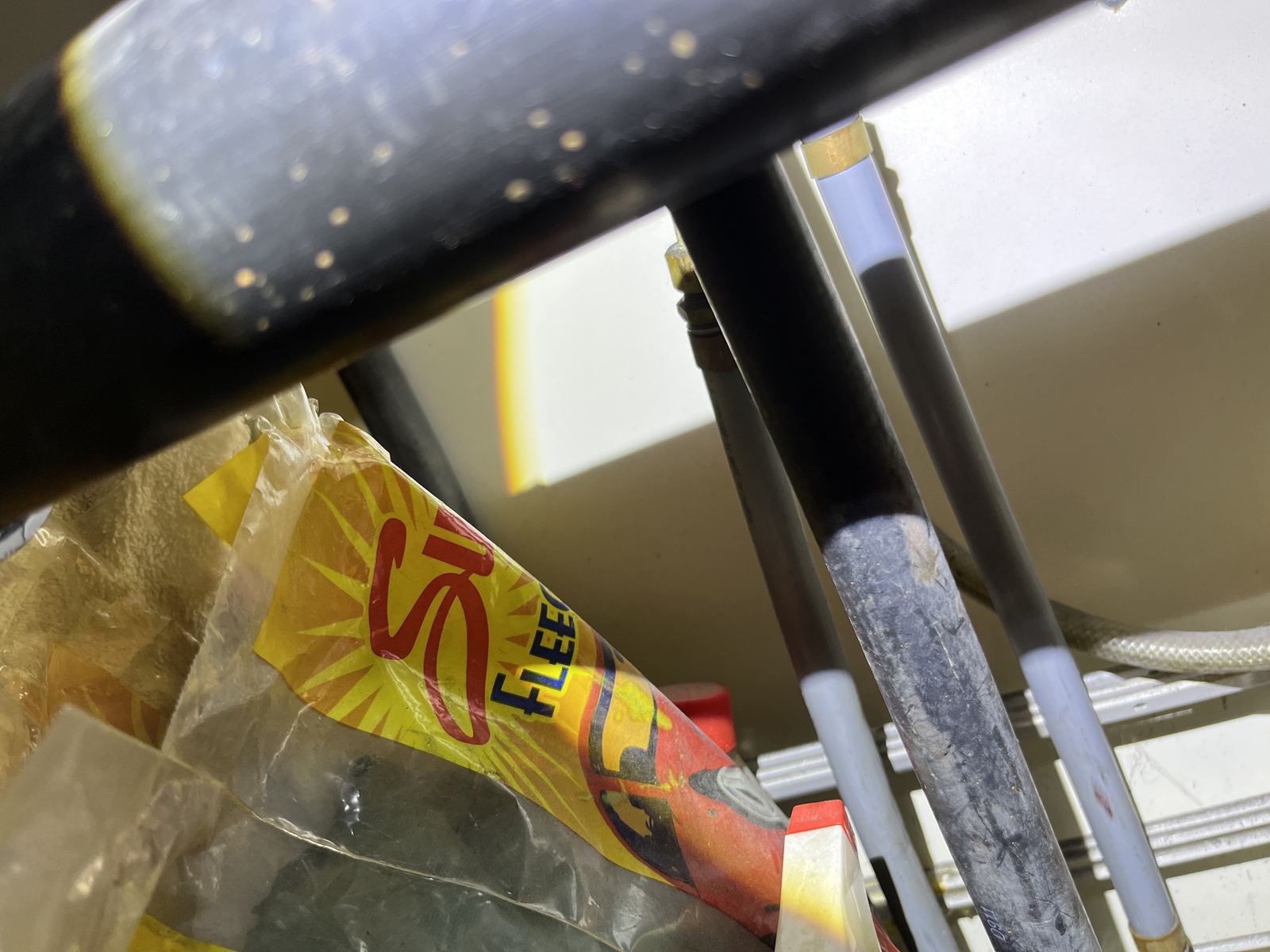
Where the supply piping was visible inside the unit, the answer was clear: flexible, matte grey supply lines running down the wall and connecting to the fixtures and fittings. That is the classic look of polybutylene. Most owners and buyers would never notice it, and even if they did, few would know why it matters.
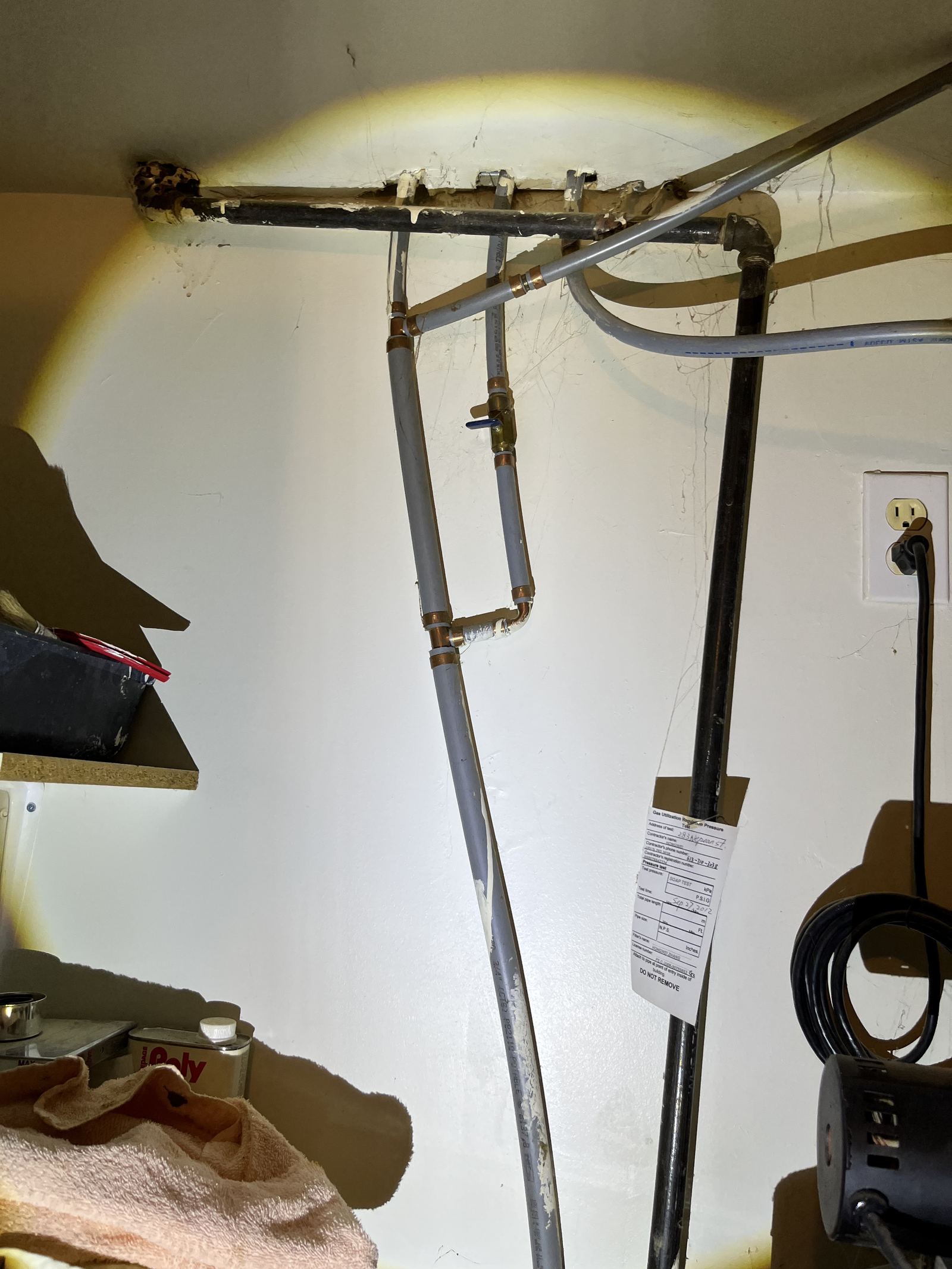
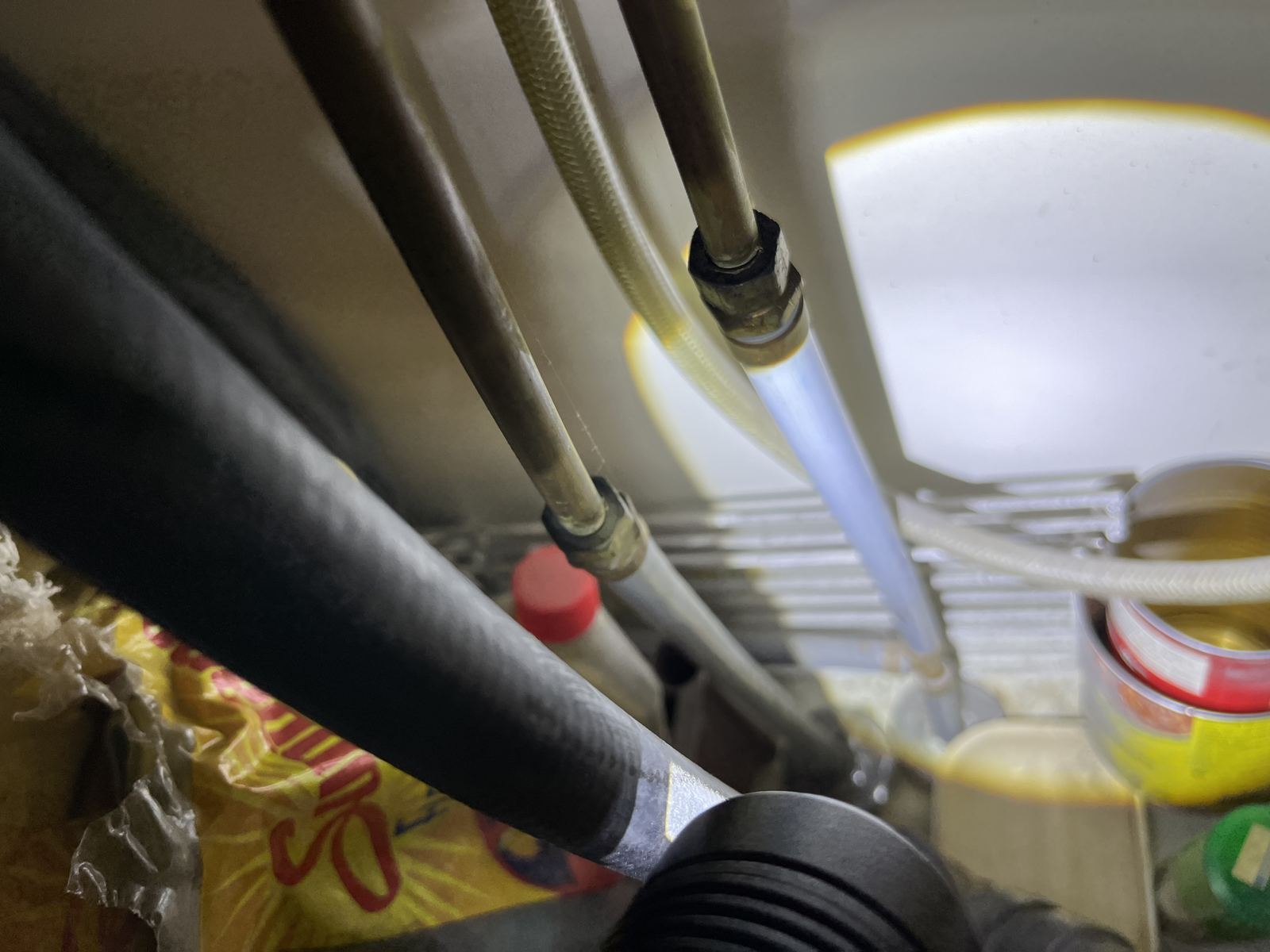
Red Flag #1: Poly-B (Polybutylene) Supply Piping
Poly-B was popular because it was cheap, flexible and quick to install compared with copper. It was CSA-certified and accepted for drinking water at the time, and Alberta's Municipal Affairs department notes it was used in Canadian homes and buildings for more than 20 years before production stopped in 1998. It is no longer listed in current plumbing codes. Because codes are not retroactive, existing Poly-B is not illegal, but its track record is the reason buyers, insurers and inspectors take it seriously.
The concerns come down to how it fails. InterNACHI, the international home inspector association, explains that disinfectants used in treated municipal water can react with the plastic over time, causing it to flake and crack from the inside until a fracture reaches the outer surface. Many failures are also reported at the joints and fittings: Alberta's guidance notes that plastic insert fittings were reported to be more prone to leaks, and poorly crimped connections are a common weak point. Failures were serious enough that manufacturers faced class actions in both the United States and Canada, including Ontario settlements in the early 2000s.
For a buyer, that adds up to three practical problems. Insurance: some Canadian insurers still cover Poly-B at standard rates, some add a surcharge or a higher water-damage deductible, some exclude water damage caused by the plumbing, and some will not insure or renew until it is replaced. Cost: in our experience, replacing the full supply piping system typically starts around $10,000 and can go well beyond that, depending on the size of the home and how accessible the pipes are. Timing: nobody can predict when a fitting might fail, so the risk sits with whoever owns the home when it does.
Other Plumbing Red Flags to Watch for When Buying a Home
Poly-B was the headline in this condo, but it is only one of the plumbing issues we look for on every plumbing inspection. These are the findings that most often change the math on an Ottawa purchase, whether it is a condo, a semi or a detached home.
- 🟠Kitec pipingOrange and blue plastic piping with brass fittings, installed in some homes and condos in the late 1990s and 2000s. The fittings are prone to corrosion, and insurers often ask about it.
- 🔩Galvanized steel supply pipesCommon in older homes. They corrode from the inside, which can reduce water pressure and eventually lead to leaks.
- ⚠️Lead water service pipePossible in older Ottawa homes, generally those built before the mid-1950s. The City of Ottawa has a Lead Pipe Replacement program with information for homeowners.
- 💧Signs of past or active leaksWater stains on ceilings below bathrooms, soft or lifting flooring, corrosion on valves, or a freshly painted patch in an odd spot can all point to a leak history worth asking about.
- 🔥An aging water heaterMost tank water heaters last roughly 10 to 12 years. Many Ottawa water heaters are rented, and the rental contract usually transfers to the buyer, so ask before you firm up.
- 🚿Low pressure or slow drainsWeak flow when several fixtures run at once, or drains that empty slowly, can point to aging pipes, buildup or a drain problem further down the line.
- 🛠️Amateur plumbing workMismatched materials, improper traps, missing venting or unusual connections under sinks and in basements can suggest unpermitted work that may need correcting.
Extra Plumbing Questions for Ottawa Condo Buyers
In a house, a leak mostly damages your own property. In a condo, a failed fitting can send water into the units below, the hallway and the common elements. Depending on the building's declaration and by-laws, the owner of the unit where the leak started may be charged back the corporation's insurance deductible, on top of their own repairs.
Condos also make replacement more involved. The work may need the condo corporation's approval, a licensed plumber who works within the building's rules and hours, coordination with neighbours, and drywall repairs where pipes run through finished walls. Before firming up on a condo, read the status certificate closely and ask the property manager a few direct questions:
- Who is responsible for the in-suite supply lines under the declaration, the owner or the corporation?
- Has the building had Poly-B or Kitec, and is there a replacement program, or has shared piping already been replaced?
- How are water-damage deductibles charged back to owners when a leak starts in their unit?
- Have there been recent water-damage claims or leaks in this unit or the units around it?
What a Home Inspection Can and Can't Tell You About Plumbing
A home inspection is visual and non-invasive. We look at the piping that is visible and accessible, such as at the water heater, the main shut-off, under sinks and in unfinished areas, run the fixtures to check flow and drainage, and look for signs of past water. We cannot see inside walls, under floors or inside the pipes themselves, and nobody can predict exactly when a fitting might fail.
What a good inspection can do is identify the visible details that change the math on a purchase, document them clearly with photos, and give you time to confirm insurance and get quotes while you can still negotiate. When something visible suggests a bigger issue, we recommend a licensed plumber for further evaluation, and for older homes we often suggest a separate sewer scope, since the main sewer line is not visible during a standard inspection.
Finding Poly-B is always one of the key details in a report. Most owners have no idea it is in their home, or how difficult it can be to deal with later: leaks at the joints, insurance questions and a five-figure replacement bill. The pipe usually looks fine on inspection day. That is why it needs to be documented clearly, before you are the one who owns it.
— Evan Alkhouri, Ottawa AAA Home Inspection
How Documenting It Became $10,000+ in Negotiating Leverage
Because the Poly-B was identified and photographed in the inspection report, the buyers did not have to rely on a vague concern. They could show the seller exactly what was there, explain the insurance risk, and point to what a full replacement could cost. That turned one finding into more than $10,000 in negotiating leverage, and these buyers used it.
That is the real value of a pre-purchase home inspection in Ottawa. We saw the same thing on a roof nearing the end of its life in Nepean, where the findings became $10,000 off the purchase price. Buying a home or condo is one of the biggest financial decisions most people will ever make. A few hundred dollars spent on an inspection is small next to a five-figure surprise you find after closing.
TL;DR
- The biggest plumbing red flags when buying a home are problem pipe materials (Poly-B, Kitec, galvanized, lead), signs of leaks, an aging water heater, poor pressure or slow drains, and amateur work.
- Poly-B is grey, flexible plastic supply pipe used in Canadian homes and condos from the mid-1970s until the late 1990s, known for leaking at joints and fittings.
- Some insurers charge more, raise deductibles, exclude plumbing leaks or decline coverage until Poly-B is replaced, and full replacement often starts around $10,000.
- Condo buyers should check the status certificate for who owns the in-suite piping, replacement programs and deductible charge-backs.
- A home inspection checks the visible plumbing only; it cannot see inside walls or pipes, and a sewer scope is a separate service.
- In this 1990s downtown Ottawa condo, documenting the Poly-B gave the buyers more than $10,000 in negotiating leverage.
Frequently Asked Questions
Buying a Home or Condo in Ottawa? Get the Plumbing Checked Before You Firm Up.
Poly-B, Kitec, galvanized piping and aging water heaters are common in Ottawa homes and condos built before the 2000s. Every pre-purchase home inspection includes a full check of the visible plumbing, documented with clear photos you can use at the negotiating table. Same-day digital reports.
Sources & Further Reading
- Alberta Municipal Affairs, Safety Services — Safety Tips: Polybutylene (Poly-B) Pressure Water Piping open.alberta.ca ↗
- InterNACHI — Polybutylene for Inspectors nachi.org ↗
- Siskinds LLP — Polybutylene Pipe Class Action (Canada) siskinds.com ↗
- Green Building Canada — The Growing Insurance Risk of Poly-B Piping for Canadian Homeowners greenbuildingcanada.ca ↗
- City of Ottawa — Lead Pipe Replacement Program ottawa.ca ↗
- Condominium Authority of Ontario — Status Certificates condoauthorityontario.ca ↗